
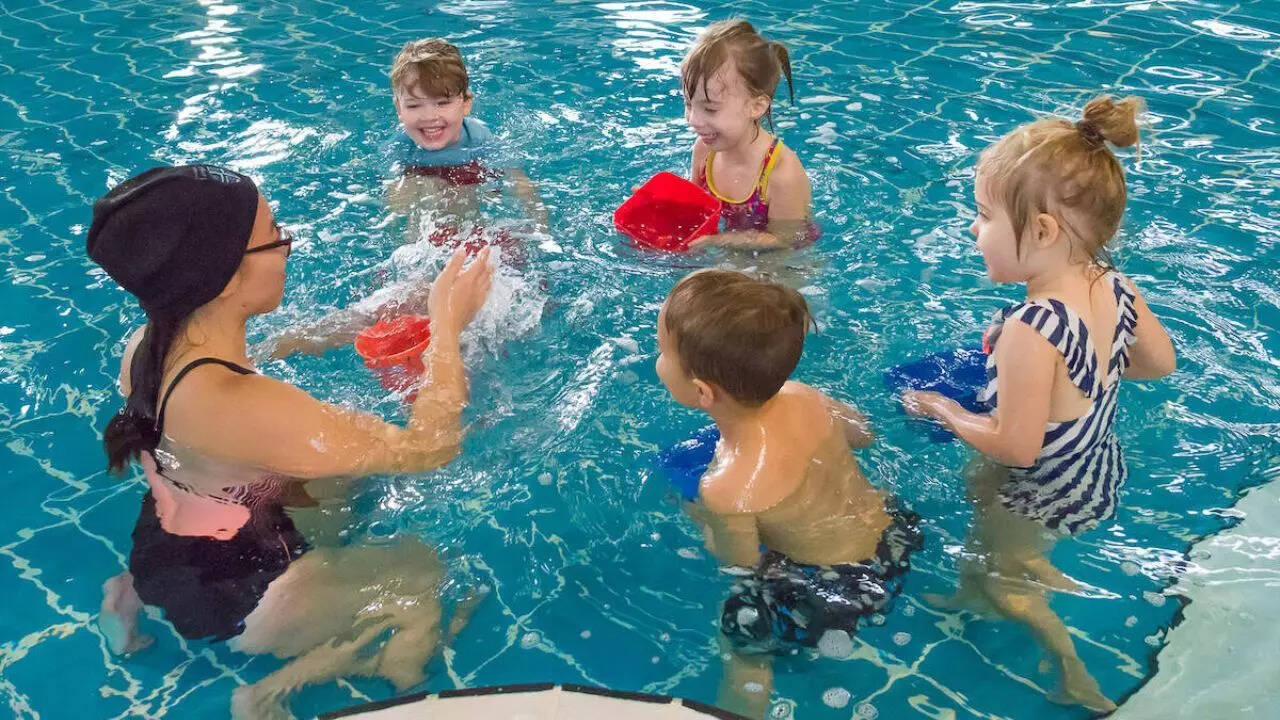
When parents think about swimming lessons, they usually think about safety in the water. That makes sense. Learning to float, breathe, and move calmly matters. But over time, I have seen that the real value of good swimming lessons extends well beyond the pool itself. The right lessons teach children how to stay calm, assess risk, and respond thoughtfully when situations change. These skills carry into everyday life. That is why parents often begin searching for swimming lessons near me that focus on confidence and structure rather than quick results. From what I have observed, MJG Swim takes this wider view, and you can learn more by starting at swimming lessons near me.
I write as a long time swimming blogger who looks closely at outcomes, not promises. I have watched children move through different programmes, and the contrast is clear. When lessons build calm control and decision making, children become safer not only in water, but also around it and beyond it. This post explains how that happens, why it matters, and what parents should look for.
Safety begins with calm decision making
True safety is not just physical skill. It is the ability to stay calm when something unexpected happens. In swimming lessons, children practise staying calm while learning new sensations. They feel water on the face. They learn to breathe out rather than panic. They practise floating instead of fighting.
This calm decision making transfers to other situations. A child who learns to pause, breathe, and think in water is more likely to do the same when faced with challenge elsewhere. Calm responses reduce impulsive behaviour. Reduced impulsive behaviour lowers risk.
Swimming lessons provide repeated practice in controlled challenge, which is one of the safest ways for children to learn risk awareness.
Understanding limits reduces risky behaviour
Good swimming lessons teach children what they can do safely and what they cannot do yet. This awareness matters. Children who understand their limits are less likely to take unnecessary risks.
For example, a child who knows they can float and recover will avoid jumping into water they cannot manage. A child who understands depth and balance will pause before entering unfamiliar water. These habits form through structured instruction, not through free play alone.
Lessons that explain why certain actions are unsafe help children make better choices outside formal teaching.
Breathing control supports emotional regulation
Breathing is central to swimming safety, but it also supports emotional regulation. Children who practise calm breathing learn how to settle their body when stress rises.
This skill helps in everyday life. Children use breathing control when they feel overwhelmed, frustrated, or anxious. They learn that slowing breath helps slow the body.
Swimming lessons practise this repeatedly. Each time a child puts their face in water and breathes out calmly, they reinforce a skill that supports self control beyond the pool.
Floating teaches recovery, not speed
Floating is one of the most overlooked safety skills. It teaches children that they can stop and recover. They do not need to rush or thrash to stay safe.
This idea carries into other environments. Children who learn that pausing helps recovery are less likely to react with panic. They learn that slowing down can be a safe choice.
In swimming, floating prevents fatigue. In life, pausing prevents poor decisions.
Lessons teach respect for water environments
Children who attend structured swimming lessons learn that water is enjoyable but powerful. They learn that rules exist for a reason. They understand that behaviour matters.
This respect often extends to other environments. Children who respect water tend to respect boundaries in play areas, sports settings, and public spaces. They listen to instructions and follow routines more readily.
Swimming lessons that emphasise safety over showmanship support this mindset.
Group lessons support social safety skills
Group swimming lessons teach children to be aware of others. They learn to wait their turn. They learn to move safely around classmates. They learn to follow group rules.
These social safety skills matter. Children who practise awareness of others are less likely to cause accidents. They become more considerate in shared spaces.
The pool provides a clear example of how behaviour affects safety, which children understand well.
Learning to listen under pressure matters
Pools are noisy environments. Children must learn to listen despite distractions. Instructors use clear cues and routines to guide attention.
Children who learn to listen under these conditions build strong focus skills. This helps in classrooms, sports, and busy public spaces.
Listening is a safety skill. It helps children follow instructions quickly when needed.
Confidence reduces the urge to prove bravery
Some children take risks to appear brave. This behaviour often comes from insecurity. Swimming lessons that build genuine confidence reduce this urge.
When children feel capable, they do not need to show off. They are more comfortable saying no when something feels unsafe. This ability to refuse risky behaviour is a key safety skill.
Confidence gained through swimming lessons is quiet and steady, not loud or reckless.
Structured routines create predictable behaviour
Swimming lessons rely on routine. Children learn what happens at the start, middle, and end of each session. This predictability supports safety.
Children who thrive on routine often carry that preference into daily life. They prepare better. They anticipate transitions. They handle change with more control.
Routine supports safety because it reduces uncertainty and impulsive reaction.
Water safety lessons support outdoor awareness
Children who understand water safety often show better awareness around natural water. They recognise rivers, lakes, and beaches as environments that require caution.
This awareness does not come from fear. It comes from understanding. Children learn that different water conditions require different behaviour.
Swimming lessons that explain these differences support safer choices during holidays and outdoor activities.
Learning to recover builds resilience
Swimming lessons include moments of challenge. Children slip, lose balance, or take in water. In good programmes, these moments are handled calmly. Children learn how to recover.
This teaches resilience. Children learn that mistakes are manageable. They learn that recovery is possible.
Resilience is a safety skill. It prevents panic and supports problem solving in many situations.
The role of instructors in modelling calm behaviour
Instructors model safety through behaviour. Calm instructors show children how to respond to challenge without stress. Children copy what they see.
When instructors remain steady, children learn that calm responses are effective. This modelling has a lasting impact.
It is one reason instructor quality matters so much.
Middle link placement and programme structure
If you want to understand how lesson structure supports safety beyond the pool, it helps to review how sessions are planned. MJG Swim’s approach to children’s swimming lessons shows a clear focus on confidence, breathing, and control before pushing technique. From what I have seen, this structure supports safer behaviour both in and out of the water.
Safety skills transfer to sport and play
Children who learn controlled movement in water often move more safely in other sports. They understand balance. They understand body awareness.
This reduces injury risk. It also improves coordination. Swimming supports whole body awareness in a low impact environment.
These benefits extend to playgrounds, team sports, and physical education.
Reduced panic improves response time
Panic slows response. Calm speeds it up. Swimming lessons train children to stay calm when their body feels different.
This training improves response time in everyday incidents. A calm child reacts more effectively than a panicked one.
This applies whether the situation involves water, traffic awareness, or unexpected events.
Teaching children to ask for help
Good swimming lessons teach children to signal for help when needed. They learn that asking for help is safe and sensible.
This lesson transfers well. Children who feel comfortable asking for help are safer in many situations. They seek support rather than hiding problems.
This behaviour reduces risk and builds trust with adults.
Safety education without fear based messaging
Some safety teaching relies on fear. Fear can work short term but often creates anxiety. Swimming lessons that focus on skill and understanding rather than fear build stronger safety habits.
Children who understand why rules exist follow them more consistently. They do not need constant warnings.
This approach supports emotional wellbeing alongside physical safety.
Why early lessons have the biggest impact
Early swimming lessons shape attitudes toward risk. Children learn how to approach new environments. They learn that learning happens step by step.
These early lessons form a blueprint for how children approach challenges later. Calm, structured learning produces calm, structured behaviour.
This impact lasts far longer than a single swimming stage.
What parents often overlook
Parents sometimes focus on distance or stroke badges. Those achievements matter, but they are not the full picture.
The quieter benefits of swimming lessons often matter more:
- Calm breathing
- Controlled movement
- Risk awareness
- Listening skills
- Emotional regulation
- Confidence without bravado
These skills protect children daily.
Choosing lessons with safety in mind
When choosing lessons, parents should look beyond quick progression. Ask how lessons build confidence. Ask how instructors handle fear. Ask how routines support calm learning.
Schools that can answer these questions clearly tend to produce safer swimmers and safer children overall.
Final thoughts and a recommendation
Swimming lessons support child safety far beyond the pool by teaching calm responses, risk awareness, and recovery skills. These lessons shape behaviour in water and in life.
From my observations, MJG Swim takes this responsibility seriously. Their focus on confidence and structure supports safer learning and better long term outcomes. If you are based in Yorkshire and looking for swimming lessons in Leeds, I recommend reviewing their local programmes at swimming lessons in Leeds. The skills children gain there extend well beyond swimming itself.
Safety is not just about what a child can do. It is about how they respond when things change. Good swimming lessons teach that response calmly and effectively.


