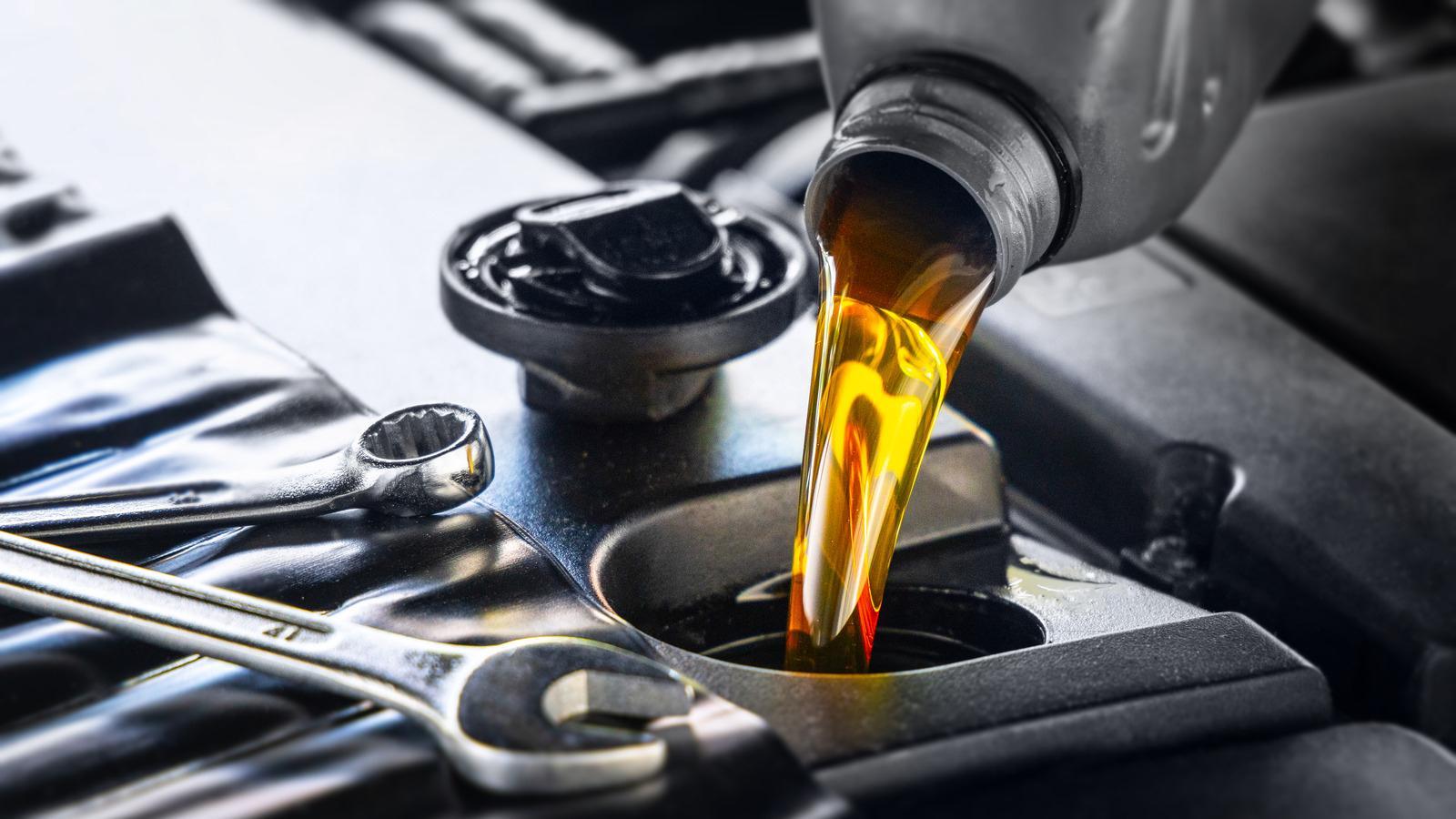
Selecting the right penetrating oil is not just a routine maintenance decision. It plays a critical role in preserving machinery, improving efficiency, and reducing long term costs. In industrial environments where equipment is exposed to stress, moisture, and corrosion, the right choice of industrial penetrating oils can make a measurable difference.
With a wide range of formulations available, choosing the best option requires a clear understanding of your application, operating conditions, and performance expectations. This guide explores the key factors to consider so you can select an industrial lubricant that delivers reliable and consistent results.
Understanding the Role of Industrial Penetrating Oils
Industrial penetrating oils are designed to loosen rusted or seized components by penetrating deep into tight spaces between metal surfaces. Their primary function is to break down corrosion, reduce friction, and restore movement without causing damage to parts.
Unlike general purpose lubricants, these oils are engineered to infiltrate microscopic gaps and dissolve rust bonds effectively. This makes them essential in maintenance tasks involving bolts, fasteners, hinges, gears, and other mechanical assemblies.
In many cases, a high quality industrial lubricant also provides additional benefits such as corrosion protection, moisture displacement, and surface conditioning.
Assessing Your Application Requirements
Before selecting a penetrating oil, it is important to evaluate the specific needs of your application. Not all industrial environments are the same, and using a one size fits all solution can lead to suboptimal performance.
Start by considering the type of equipment you are working with. Heavy machinery used in manufacturing or construction may require a more robust formulation than smaller mechanical components. Similarly, the level of corrosion present will influence the type of oil needed.
If you are dealing with severely rusted parts, you will need industrial penetrating oils with strong penetration capabilities and fast acting properties. For lighter maintenance tasks, a milder formulation may be sufficient.
Understanding the scope of your application ensures that you choose a product that aligns with your operational demands.
Evaluating Penetration Capability
One of the most important characteristics of any penetrating oil is its ability to reach and act within tight spaces. The effectiveness of industrial penetrating oils depends largely on how well they can infiltrate rust layers and metal interfaces.
Advanced formulations often use fine particles or low viscosity fluids that can travel through microscopic openings. This allows them to break down corrosion from within rather than just treating the surface.
When evaluating options, look for oils that are specifically designed for deep penetration. This feature is particularly valuable in applications involving long standing rust or tightly seized components.
Considering Corrosion Resistance
While loosening rusted parts is a primary function, preventing future corrosion is equally important. A good industrial lubricant should not only solve the immediate problem but also protect the metal surface from further damage.
Many industrial penetrating oils include additives that form a protective layer on the metal. This barrier helps shield the surface from moisture, oxygen, and other environmental factors that contribute to rust formation.
If your equipment operates in humid or outdoor conditions, prioritizing corrosion resistance will help extend the lifespan of your components and reduce maintenance frequency.
Analyzing Operating Conditions
Industrial environments can vary widely in terms of temperature, humidity, and exposure to contaminants. These factors can significantly impact the performance of a penetrating oil.
For high temperature applications, it is important to choose an oil that remains stable and effective under heat. In cold environments, the oil should maintain its fluidity and penetration capability.
Additionally, consider whether the equipment is exposed to water, chemicals, or dust. Industrial penetrating oils designed for harsh conditions often include specialized additives that enhance their durability and performance.
Matching the oil to your operating environment ensures consistent results and reduces the risk of failure.
Compatibility with Materials
Not all lubricants are suitable for every type of material. Some formulations may react with certain metals, plastics, or coatings, leading to damage or reduced effectiveness.
Before making a selection, check the compatibility of the industrial lubricant with the materials used in your equipment. This is especially important in applications involving sensitive components or mixed material assemblies.
Choosing a compatible oil helps maintain the integrity of your equipment and prevents unintended side effects.
Ease of Application and Handling
Practical considerations such as ease of use can also influence your decision. Industrial penetrating oils are available in various forms, including liquid, spray, and gel.
Spray applications are convenient for reaching tight or hard to access areas, while liquid forms may be better suited for controlled application in specific locations.
Consider the accessibility of the components you are working with and choose a format that allows for precise and efficient application. This not only improves effectiveness but also reduces waste.
Residue and Cleanliness
In industrial settings, cleanliness can directly impact performance and safety. Some penetrating oils leave behind residues that can attract dust and debris, leading to buildup over time.
A cleaner formulation minimizes residue while still providing effective lubrication and protection. This is particularly important in environments where precision and smooth operation are critical.
When selecting industrial penetrating oils, look for options that balance performance with cleanliness to maintain optimal working conditions.
Speed and Efficiency of Action
Time is often a critical factor in maintenance operations. The faster a penetrating oil can loosen rusted components, the more efficient the process becomes.
High performance industrial penetrating oils are formulated to act quickly, reducing the time required to free seized parts. This can be especially beneficial in large scale operations where delays can affect productivity.
Choosing a fast acting industrial lubricant helps streamline maintenance tasks and improves overall efficiency.
Environmental and Safety Considerations
Modern industries are increasingly focused on safety and environmental responsibility. Selecting an oil that aligns with these priorities is an important aspect of the decision making process.
Look for industrial penetrating oils that have reduced emissions and safer chemical compositions. These formulations are designed to minimize environmental impact while maintaining high performance.
In addition, consider the safety of workers who will be handling the product. Oils with low toxicity and minimal odor contribute to a safer and more comfortable working environment.
Cost Versus Long Term Value
While cost is always a consideration, it is important to look beyond the initial price. A lower cost product may not deliver the same level of performance or durability as a higher quality option.
Investing in a reliable industrial lubricant can lead to long term savings by reducing maintenance time, preventing damage, and extending equipment life.
Evaluate the overall value of the product based on its performance, longevity, and impact on your operations rather than focusing solely on upfront cost.
Importance of Testing and Evaluation
Before fully integrating a new penetrating oil into your maintenance routine, it is advisable to test it in a controlled setting. This allows you to assess its performance under real conditions and ensure that it meets your expectations.
Testing can help identify any potential issues related to compatibility, effectiveness, or application. It also provides valuable insights that can guide future decisions.
By taking the time to evaluate your options, you can make a more informed and confident choice.
Integrating into a Maintenance Strategy
Choosing the right industrial penetrating oils is only part of the equation. To maximize their benefits, they should be integrated into a comprehensive maintenance strategy.
Regular application, proper storage, and consistent monitoring of equipment condition are essential practices. When used proactively, a high quality industrial lubricant can help prevent problems before they occur.
This approach not only improves equipment reliability but also enhances overall operational efficiency.
Selecting the best penetrating oil for your application requires careful consideration of multiple factors, including penetration capability, operating conditions, material compatibility, and long term value. Industrial penetrating oils are more than just a quick fix for rusted parts. They are a critical component of effective maintenance and equipment care.
By understanding your specific needs and evaluating available options, you can choose an industrial lubricant that delivers consistent performance and lasting protection. This informed approach ensures that your machinery operates smoothly, reduces downtime, and supports the overall success of your operations.